Start With Atoms, Not Mountains

Big notebooks collapse under their own weight; tiny, stand-alone notes breathe. By carving one idea per note, you build scaffolding that invites connection instead of confusion. Niklas Luhmann’s slip-box thrived because each entry remained independent yet linkable, enabling over seventy books to emerge. Begin similarly: capture concise, self-contained claims, cite the source, add context in your voice, and let future links decide where the idea belongs. Humility at capture time pays compounding dividends later.

Capture That Won’t Collapse

Trade hoarded highlights for honest paraphrases. When you read, rewrite the insight in your words, include why it matters today, and note where you might apply it. A single, well-framed paragraph beats a dozen pasted quotes. This habit preserves intent, reveals gaps, and protects against brittle copying. Later, when linking, you will immediately recall the spark behind the note, not just the sentence structure. That emotional trace is often the difference between noise and a usable idea.

One Idea Per Card

Cramming mixed thoughts into one place feels efficient, yet future-you pays the sorting cost. Separate claims, evidence, and questions into distinct, labeled notes. Give each a clear statement, a short explanation, and a citation. That structure increases recombinability, making it easier to thread ideas into new arguments. It also discourages false certainty because isolated notes force you to see missing links. The result is a flexible library that grows without tangling itself into an unreadable pile.

Context-Rich IDs

Unique identifiers sound robotic until you experience how they anchor conversation between notes. Use timestamps or structured IDs, then add a human-readable title and a succinct summary sentence. Link by asking, in plain language, why two notes relate. Over time, these IDs become stable addresses, letting you reference an idea across drafts, tools, and even years. The combination of permanence and explanation turns a cryptic code into a trustworthy breadcrumb on your personal knowledge map.

Links That Spark Ideas
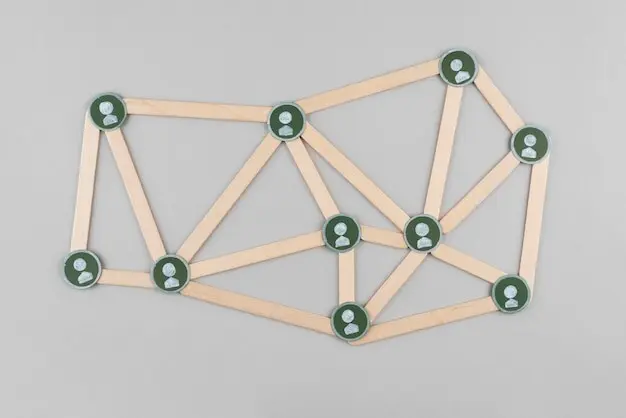
Connections do more than group similar tags; they create meaningful tension. Write links as short claims that describe the relationship, not just a jump. Replace passive tagging with active reasoning: contrast, cause, example, critique, or alternative. Luhmann’s folgezettel chains created narrative sequences, while modern backlinks reveal hubs you never expected. Embrace both approaches. You are designing a conversation where distant concepts can finally meet, argue a little, and produce a third, better direction you could not predict alone.
Every link earns its place by explaining itself. Instead of silent arrows, annotate with a sentence stating the nature of the connection, such as, “This reframes the assumption behind that,” or, “Here is a counterexample that narrows the claim.” Such micro-arguments teach your future self how you thought, enabling quicker re-entry into complex areas. They also expose weak logic immediately, inviting a corrective note or a clarifying question before the idea infiltrates an essay or presentation unnoticed.
Sequential numbers encourage branching narratives, while topical indexes prioritize cross-cutting jumps. Try both. Build a few narrative chains to develop lines of thought, then maintain a lightweight index that points into promising forks. Modern tools simulate folgezettel with block references and allow multiple hierarchies without duplication. The hybrid gives you story flow when drafting and robust cross-pollination when exploring. Pick the minimum structure that preserves movement, and regularly prune overgrown paths that no longer add explanatory power.
Innovation hides between distant clusters. When you spot two notes that feel related yet incompatible, write a bridge note proposing a testable connection. List predictions, counterarguments, and a small experiment you can run—an interview, a dataset, a quick prototype. Even if it fails, the bridge documents your reasoning and prevents you from rediscovering dead ends. More often, the bridge becomes a seed for an outline section, turning a scary conceptual leap into a carefully negotiated passage.

Daily Flow That Sustains Momentum

Sporadic bursts create impressive graphs but unreliable progress. Design a gentle loop: capture in the morning while curiosity is fresh, connect at midday when patterns emerge, and publish a small artifact by evening. Keep tools light, timers short, and exit ramps obvious. Momentum loves closure; end sessions with a “next link to make” note. Thirty-minute windows are enough when repeated. This cadence transforms scattered reading into accumulating insight, and anxiety into forward motion that welcomes real life’s interruptions.

Capture Sprint Ritual

Start with a five-minute inbox sweep: turn three highlights into three atomic notes, each with your reasoning and a clear title. Avoid polishing. If you must choose, prefer clarity over completeness. Close by listing one question that the note leaves open. This question acts as a magnet for future links and blocks perfectionism from hijacking your morning. Over weeks, these micro-sprints provide relentless, gentle pressure that moves projects forward without demanding heroic, unsustainable bursts of energy.

Linking Hour

Reserve a protected block for connecting, not collecting. Open the note you just wrote and ask which older ideas it challenges, supports, or reframes. Add explicit relation sentences and at least one bridge hypothesis. If you feel stuck, jump to a random recent note and force one thoughtful connection. This practice replaces passive browsing with active synthesis. You leave this hour with strengthened threads, fewer orphans, and a palpable sense that your system is collaborating rather than merely archiving.

From Note Garden To Publishable Pieces

Great drafts rarely emerge from outline templates alone. They bloom from clusters of notes that already debate one another. Let outlines surface from your network: pick a central claim, gather linked counterpoints, and order them by narrative tension rather than chronology. Write transitions that explain why the next section follows. You are not stacking facts; you are guiding attention. This method preserves rigor while releasing surprising structure, turning quiet whispers between notes into a confident, reader-friendly argument.

Tools Without Tool-Dependence

Paper Slip-Box Revival

Physical cards slow you down just enough to think. Writing by hand forces paraphrase, and manual linking makes intention explicit. Use colored edges for projects, pencil for provisional claims, and a lightweight index stored at the front. Weekly, digitize only what survived a second reading. The friction becomes a filter, ensuring your digital library inherits only resilient ideas. Many discover that a small physical stack beside the keyboard dramatically reduces context switching and mindless, performative collecting.

Plain Text And Backlinks

Markdown files with simple titles, frontmatter, and link syntax create longevity. They sync across tools, archive well, and respond gracefully to future migrations. Backlinks and transclusion add convenience without trapping you. Keep filenames stable, prefer descriptive titles, and rely on relation sentences within the body rather than opaque tag walls. With this foundation, your system remains legible to collaborators and your future self, even if a beloved app disappears. Simplicity here is not austerity; it is strategic resilience.

Graphs As Compass

Graph views tempt us to chase pretty constellations instead of substance. Use them intentionally as a compass, not a destination. Before opening the map, articulate a question, then search for bridges, isolates, or unexpected hubs that might inform it. Click into notes and make explicit links based on reasoning, not proximity. Snap a screenshot to document the inquiry trail. This discipline transforms an aesthetic distraction into a research instrument that reveals options, directs focus, and sparks tactical next steps.

Maintenance, Review, And Serendipity

Healthy systems breathe. Build a predictable review rhythm that trims redundancies, merges overlaps, and refreshes stale assertions with new evidence. Rotate focus by project or domain to avoid tunnel vision. Introduce lightweight randomness—surfacing one old note per day—to encourage delightful collisions. Borrow spaced repetition principles without turning thinking into flashcards. Your goal is a convivial library where maturity coexists with surprise, and where yesterday’s fragments continue to volunteer themselves for today’s questions with minimal administrative overhead.
End the week with an hour of gardening. Merge duplicates, split bloated notes, and archive entries that no longer serve. Add missing citations and clarify relation sentences. Keep a short changelog to celebrate progress and create continuity. This ritual prevents entropy from stealing confidence. Over time, your library becomes lighter and more legible, letting complexity gather only where it truly earns attention. The result is momentum you can feel on Monday morning before coffee finishes brewing.
Schedule gentle reappearances for significant notes. Instead of rote memorization, revisit with purpose: challenge the claim, add a counterpoint, or link to a fresh example. A simple date-based queue can do wonders. Each resurfacing becomes a mini peer review conducted by your evolving self. The note stays alive, your perspective diversifies, and important ideas never drift too far into obscurity. The cadence is light, the returns are lasting, and your network retains both continuity and curiosity.

Stories From The Slip-Box

Techniques matter most when they change lives. A graduate student finished a stalled thesis by linking methods notes to field observations, watching a structure appear overnight. A product manager traced repeated support tickets to a design assumption hiding across scattered interviews. A historian reconciled conflicting sources by writing bridge notes rather than choosing sides. Share your wins and stumbles in the comments, subscribe for field-tested templates, and tell us which small ritual unlocked momentum so others can adapt it quickly.
Naridaririnopalodexo
Privacy Overview

This website uses cookies so that we can provide you with the best user experience possible. Cookie information is stored in your browser and performs functions such as recognising you when you return to our website and helping our team to understand which sections of the website you find most interesting and useful.