When Notes Start Thinking With You

Start With Atoms, Not Mountains
Capture That Won’t Collapse
Trade hoarded highlights for honest paraphrases. When you read, rewrite the insight in your words, include why it matters today, and note where you might apply it. A single, well-framed paragraph beats a dozen pasted quotes. This habit preserves intent, reveals gaps, and protects against brittle copying. Later, when linking, you will immediately recall the spark behind the note, not just the sentence structure. That emotional trace is often the difference between noise and a usable idea.
One Idea Per Card
Cramming mixed thoughts into one place feels efficient, yet future-you pays the sorting cost. Separate claims, evidence, and questions into distinct, labeled notes. Give each a clear statement, a short explanation, and a citation. That structure increases recombinability, making it easier to thread ideas into new arguments. It also discourages false certainty because isolated notes force you to see missing links. The result is a flexible library that grows without tangling itself into an unreadable pile.
Context-Rich IDs
Unique identifiers sound robotic until you experience how they anchor conversation between notes. Use timestamps or structured IDs, then add a human-readable title and a succinct summary sentence. Link by asking, in plain language, why two notes relate. Over time, these IDs become stable addresses, letting you reference an idea across drafts, tools, and even years. The combination of permanence and explanation turns a cryptic code into a trustworthy breadcrumb on your personal knowledge map.
Links That Spark Ideas
Daily Flow That Sustains Momentum

Capture Sprint Ritual

Linking Hour

From Note Garden To Publishable Pieces
Tools Without Tool-Dependence
Paper Slip-Box Revival
Physical cards slow you down just enough to think. Writing by hand forces paraphrase, and manual linking makes intention explicit. Use colored edges for projects, pencil for provisional claims, and a lightweight index stored at the front. Weekly, digitize only what survived a second reading. The friction becomes a filter, ensuring your digital library inherits only resilient ideas. Many discover that a small physical stack beside the keyboard dramatically reduces context switching and mindless, performative collecting.
Plain Text And Backlinks
Markdown files with simple titles, frontmatter, and link syntax create longevity. They sync across tools, archive well, and respond gracefully to future migrations. Backlinks and transclusion add convenience without trapping you. Keep filenames stable, prefer descriptive titles, and rely on relation sentences within the body rather than opaque tag walls. With this foundation, your system remains legible to collaborators and your future self, even if a beloved app disappears. Simplicity here is not austerity; it is strategic resilience.
Graphs As Compass
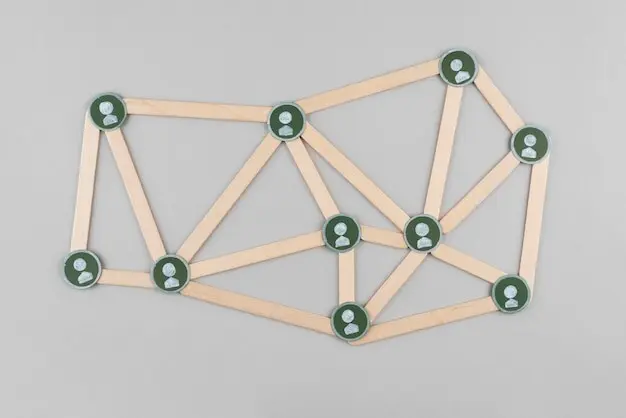
Graph views tempt us to chase pretty constellations instead of substance. Use them intentionally as a compass, not a destination. Before opening the map, articulate a question, then search for bridges, isolates, or unexpected hubs that might inform it. Click into notes and make explicit links based on reasoning, not proximity. Snap a screenshot to document the inquiry trail. This discipline transforms an aesthetic distraction into a research instrument that reveals options, directs focus, and sparks tactical next steps.

Maintenance, Review, And Serendipity

Stories From The Slip-Box

All Rights Reserved.